Battlefield 2042 in 2026: A Player's Retrospective on Launch Failures
This Battlefield 2042 review exposes its thin launch content, missing campaign, broken matchmaking, and divisive Specialists in a sharp retrospective.
I still remember the night Battlefield 2042 went live in November 2021, because I was one of those players who wanted to believe the trailers. As a longtime Battlefield fan, I loaded in expecting chaos on a grand scale, the kind of chaos that feels deliberate and thrilling. What I found instead felt rushed across the board. In 2026, looking back, I do not think that first impression was just launch-day frustration. The game arrived with too little content, too many rough edges, and a set of design choices that made me question whether DICE had listened to the people who actually play Battlefield.
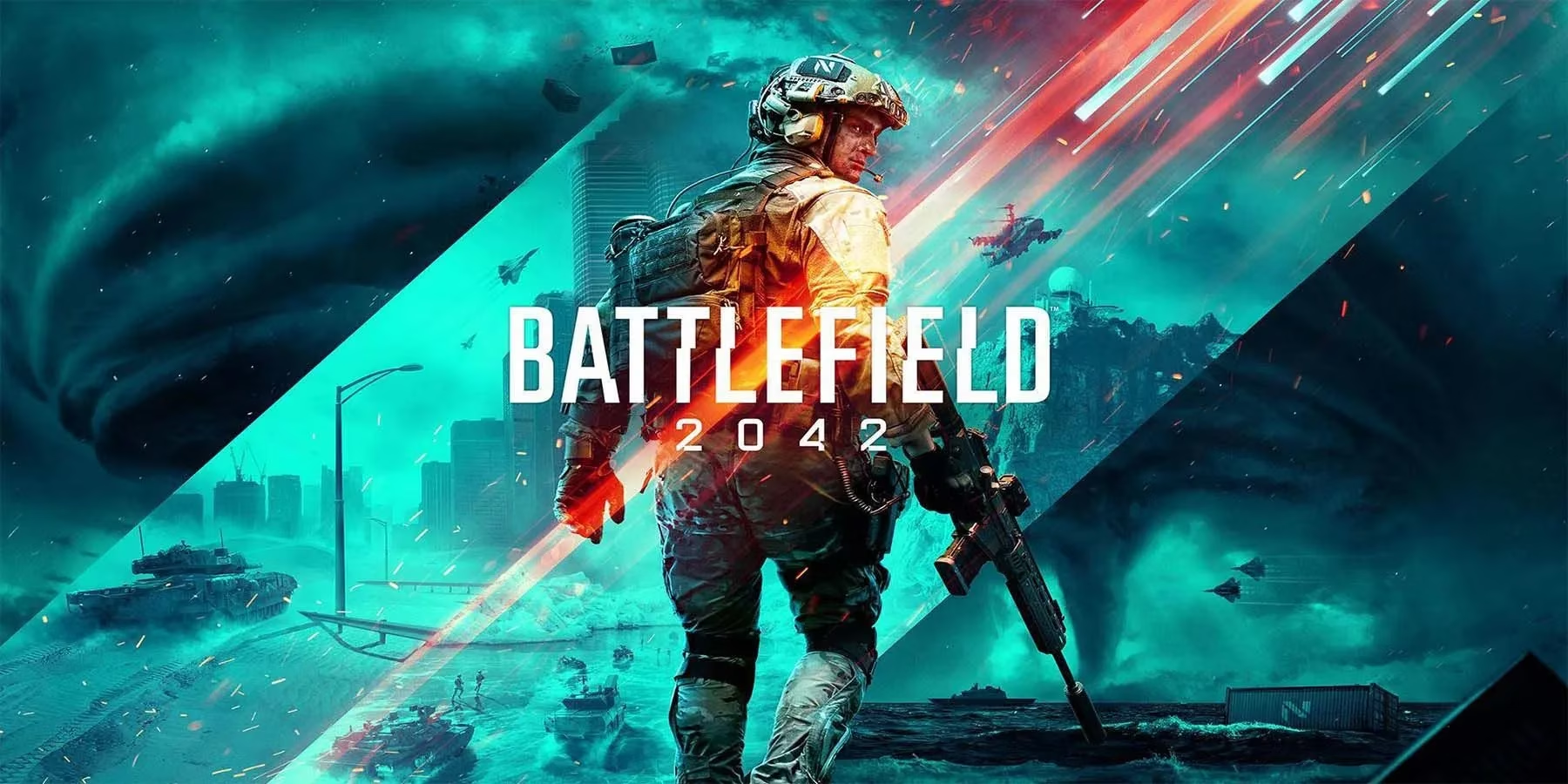
The content problem was impossible to ignore. I remember scrolling through the weapon list and feeling like I had already seen most of what the game had to offer. For a series that once gave players a sandbox of toys, Battlefield 2042 felt thin. The gameplay loop was there, but it lacked the variety that keeps me coming back match after match. Fewer weapons meant fewer experiments, fewer reasons to change my loadout, and fewer stories to tell after a session. Future updates could add more, of course, but at launch the cupboard felt bare.
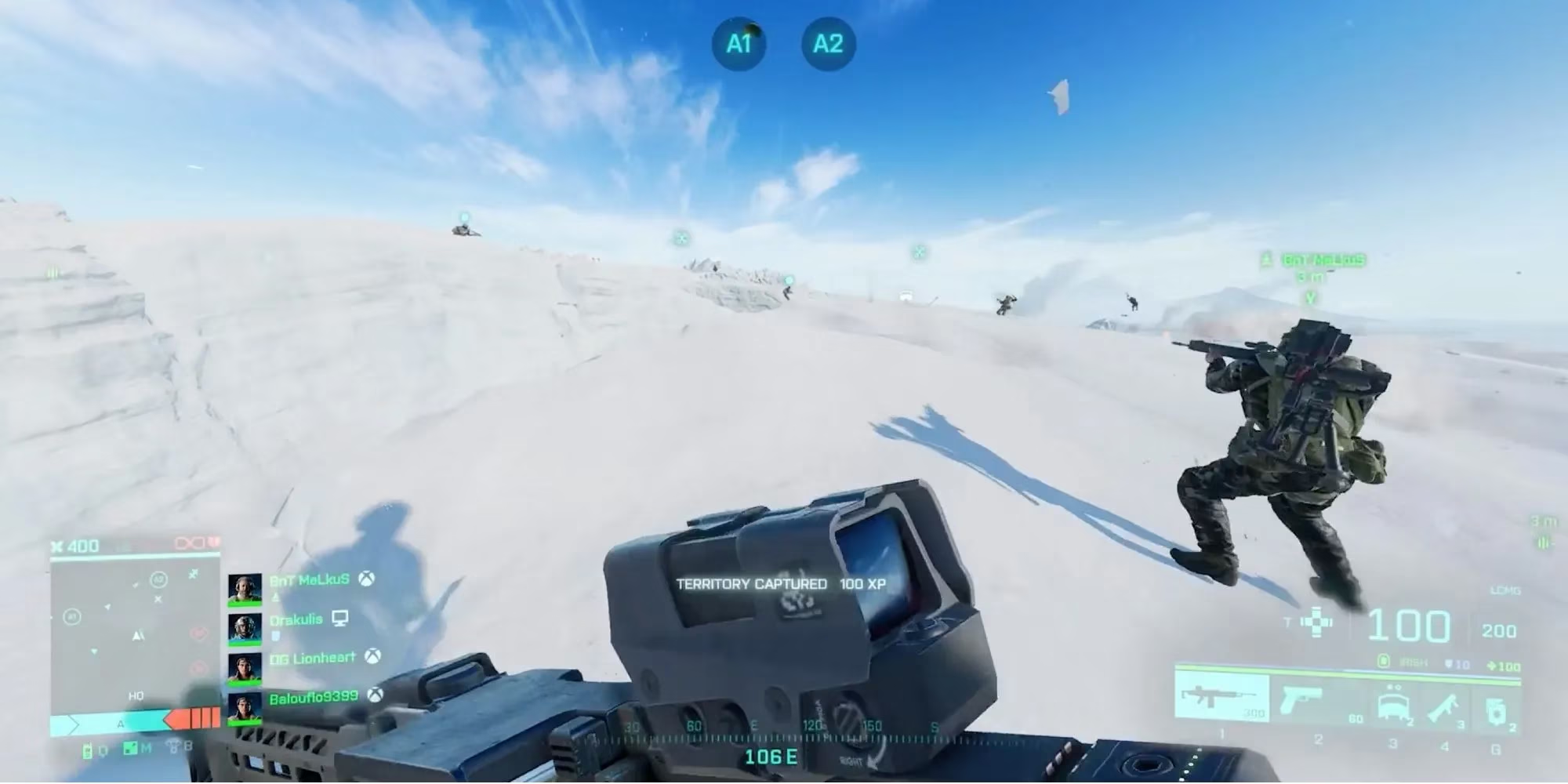
No campaign was another decision that stung. I know Battlefield is a multiplayer-first series, but the absence of a campaign made the package feel incomplete. It signaled that the game was built to chase the multiplayer audience as quickly as possible, and that impression followed every match. For what it is worth, I could have accepted no campaign if the multiplayer had compensated. It did not. The mode selection felt astonishingly limited, and the game pushed players toward massive-scale battles while leaving smaller, focused experiences behind.
Matchmaking made the experience worse. Battlefield 2042 lacked persistent lobbies, which meant I had to matchmake again after every single game. That sounds like a small thing until you are trying to stay with a squad or keep a rhythm going. Instead of flowing from one round to the next, I was pulled out of the action and forced back into menus. In 2026, that still feels like a basic feature that should never have been missing.
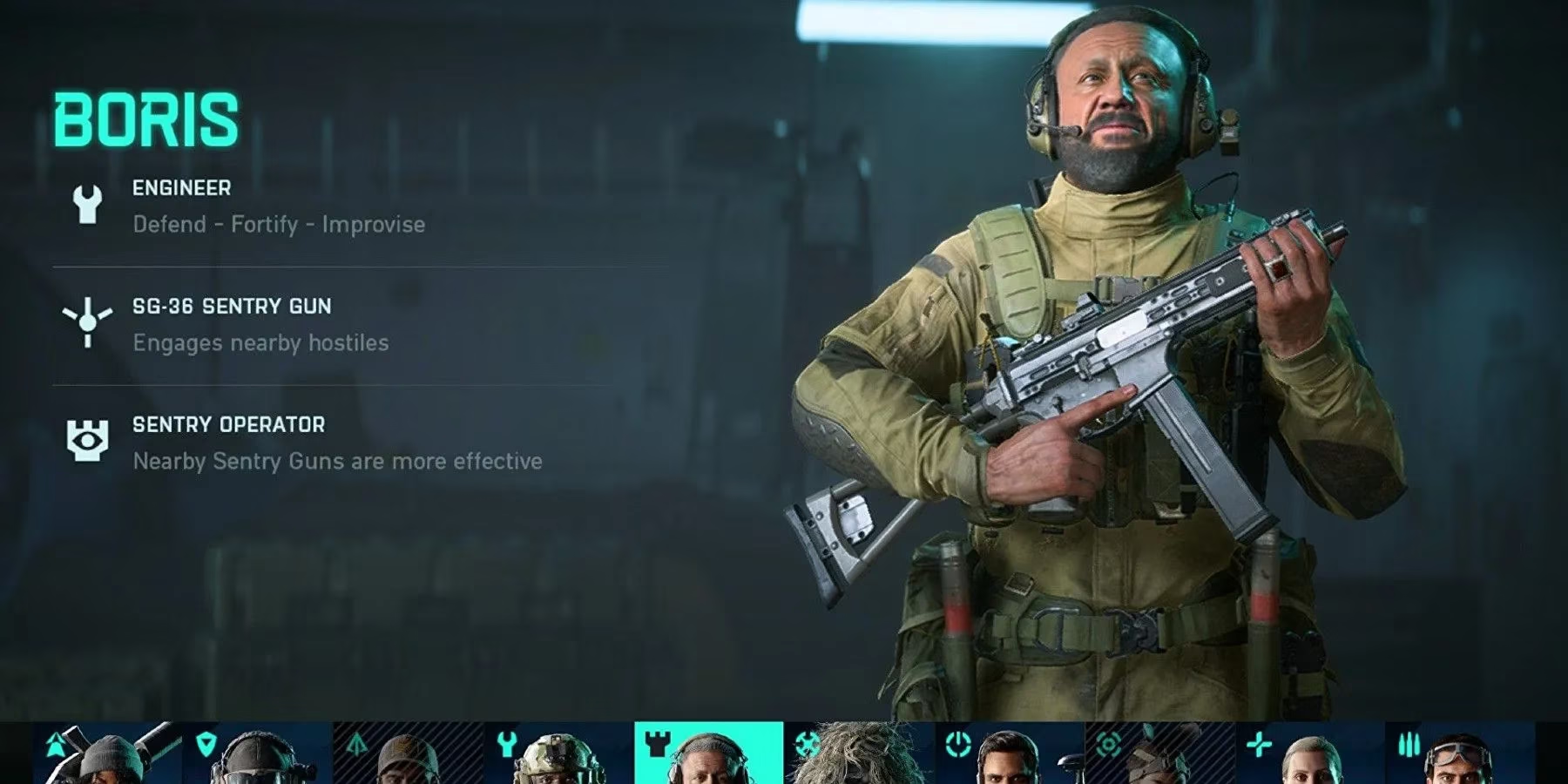
Then there were the Specialists. I remember the ridicule they received, and I understood it. Fighting players who looked exactly like me, with only minor costume changes, made the battlefield feel strange rather than readable. Battlefield has always been about factions, silhouettes, and the sense that two sides are colliding. Specialists blurred that identity. I wanted character customization that let soldiers feel unique without erasing the faction fantasy. Instead, I got the same re-skinned character over and over again.
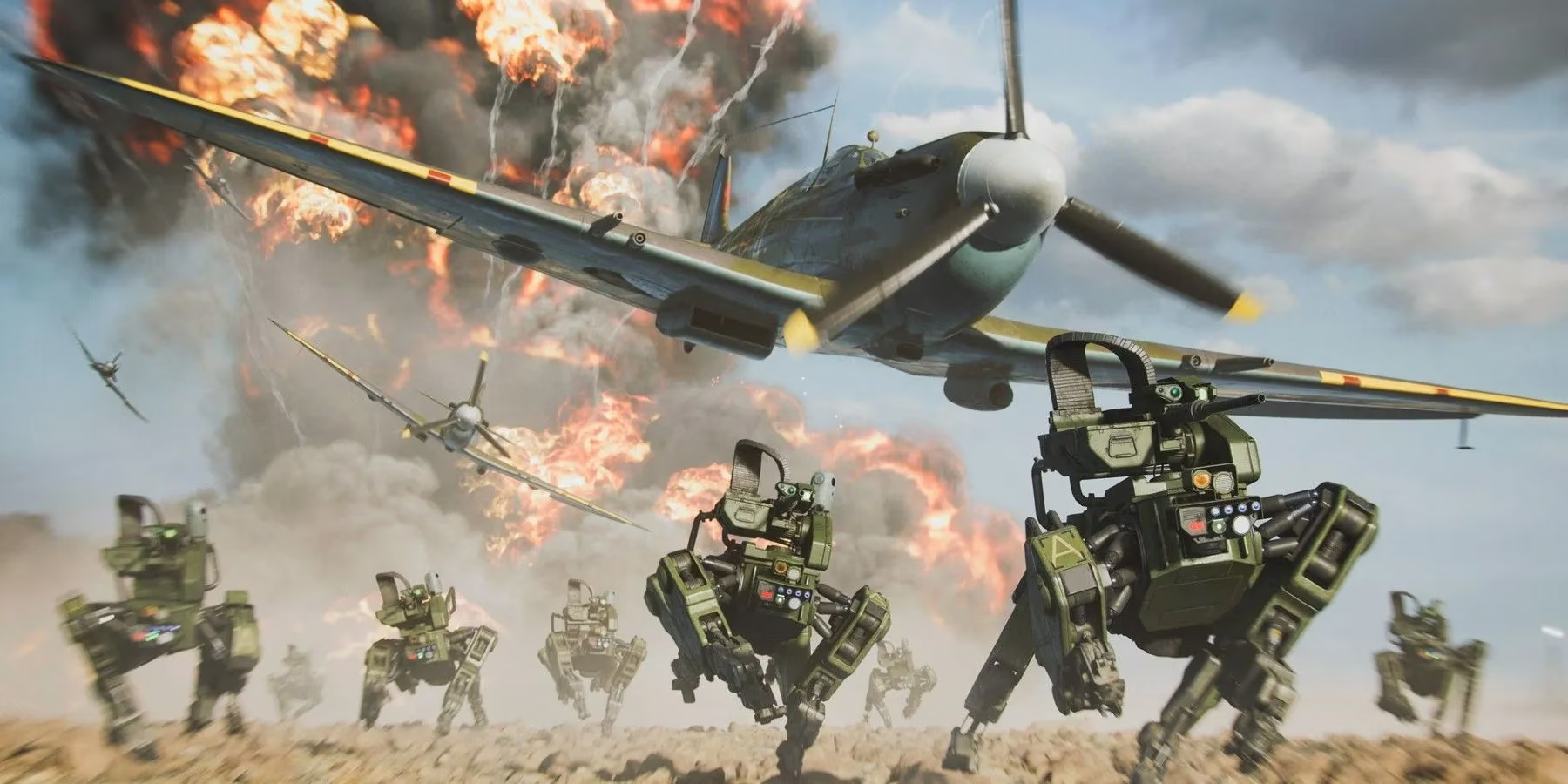
Vehicles added to the repetition. I enjoy vehicle combat in Battlefield, but Battlefield 2042 did not give me enough variety to keep it fresh. After a while, traversal and tank battles started to blur together. More vehicles would have helped, but the bigger issue was that the game needed more ways to make every match feel different.
The missing scoreboard was one of the most baffling choices. I understand the desire to promote inclusivity, but a scoreboard is part of how players understand a match. It tells me who is contributing, who is struggling, and how my own performance fits into the team. Without it, the game felt less informative and less competitive. The scoring system itself was also weak. Special actions rarely earned meaningful bonuses, so the feedback loop felt flat. I wanted the game to celebrate clever plays, not just count them silently.
Maps were another disappointment. A small map pool gets old quickly, especially in a game that depends on replayability. I wanted more variety, more locations, and more reasons to learn different routes and strategies. The UI did not help either. It was confusing in ways that surprised me, given the resources behind the project. Menus and attachments should not make me feel like I need a tutorial outside the tutorial.
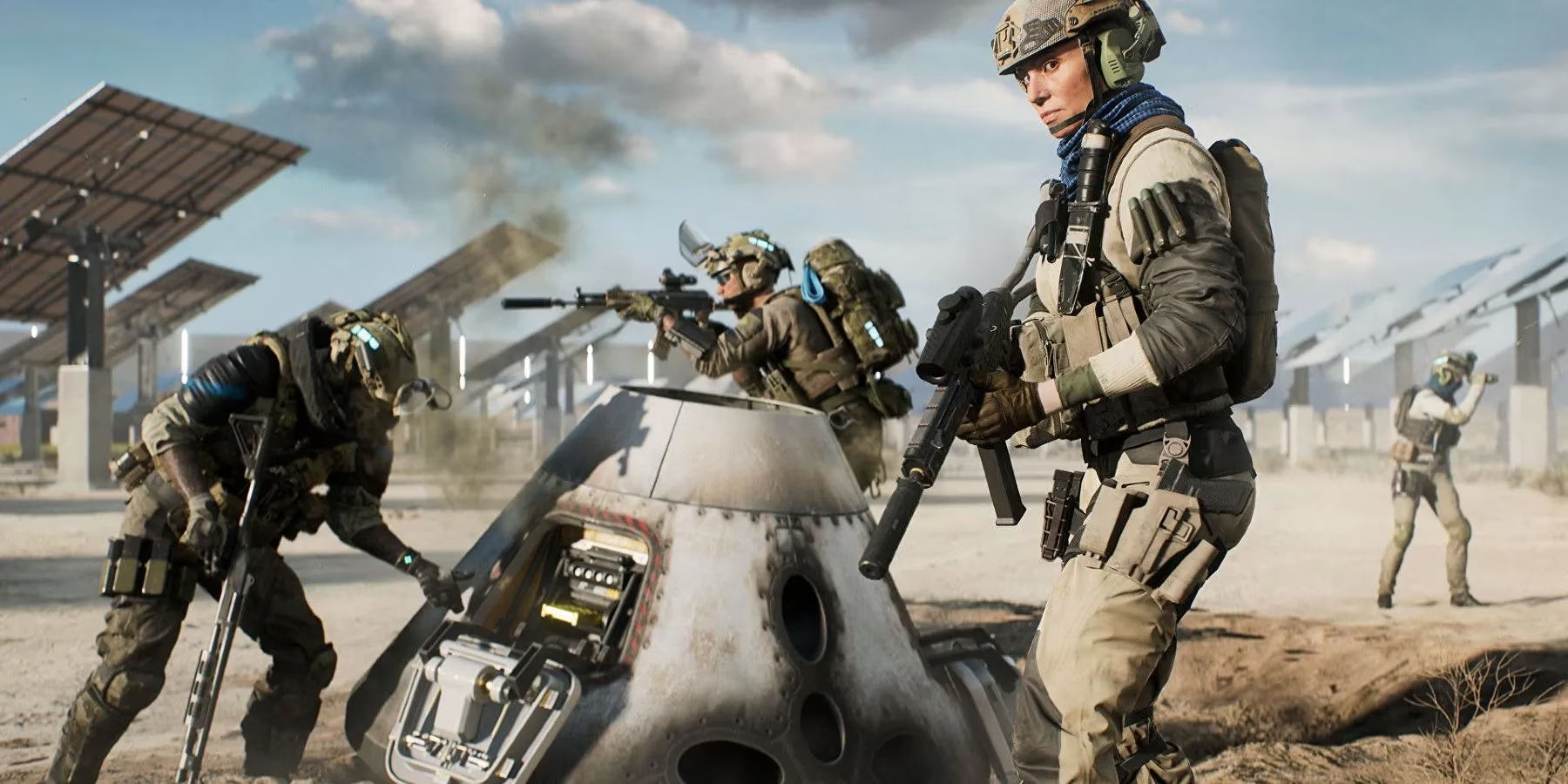
Perhaps the worst offender was the post-match banter from Specialists. Battlefield is a gritty series, and hearing soldiers brag after every round pulled me out of the experience. It felt out of place, like a tone-deaf layer on top of a game that was already struggling to find its identity. A simple option to disable those comments would have gone a long way.
| Launch issue | Why it hurt | What I wanted |
|---|---|---|
| Limited weapons | Loadouts felt shallow | A wider arsenal at launch |
| No campaign | Package felt incomplete | Strong multiplayer or a campaign |
| Few modes | Massive-scale play grew repetitive | More focused and varied modes |
| No persistent lobbies | Squads were broken up | Stay with the same lobby |
| Specialists | Faction identity blurred | Customization with clear factions |
| Few vehicles | Vehicle play became repetitive | More vehicles and variety |
| No scoreboard | Match context was missing | Clear team and personal stats |
| Weak scoring | Special actions felt unrewarded | Bonuses for smart play |
| Few maps | Replayability suffered | A larger map pool |
| Confusing UI | Menus slowed me down | Clear, readable design |
| Post-match banter | Tone felt wrong | Option to disable it |
By 2026, I can look back and say Battlefield 2042 is a cautionary tale. Some issues were eventually addressed, and the game did improve in places, but the launch damage was real. A live-service game cannot ship thin and expect players to wait patiently for trust to be patched in later. The hardcore fanbase remembers how it felt to load into a Battlefield game and find missing basics. If a future entry wants me back on day one, it needs breadth, clarity, and a clear sense of identity from the start. I still love Battlefield, but I now wait before believing the trailers.",
"title_note": "
0 Comments