Battlefield 2042's Father Winter Skin Controversy and DICE's Tone Correction
Battlefield 2042’s Father Winter Santa skin sparked backlash over tone, while DICE promised limited events and fixes for performance and matchmaking.
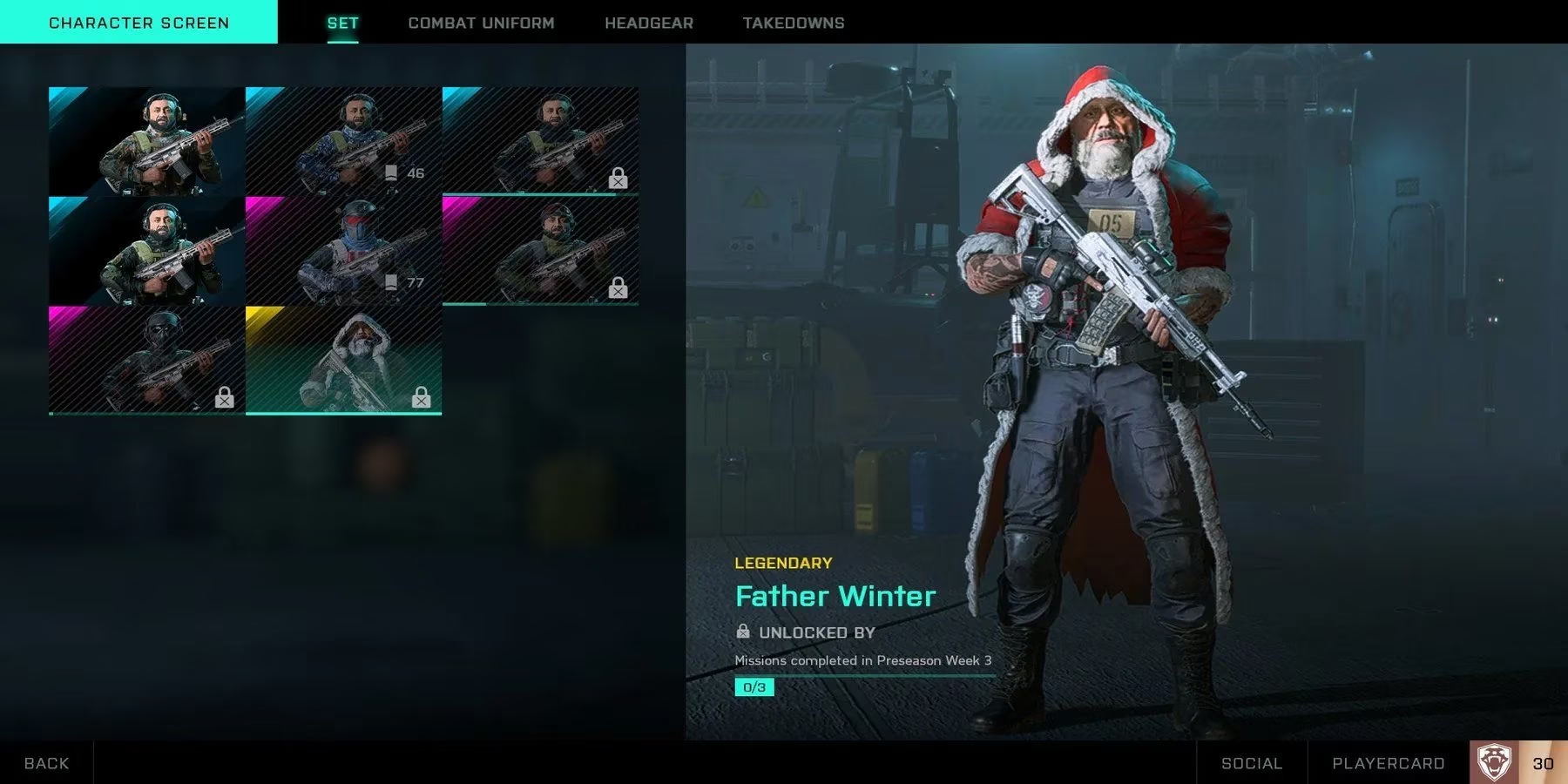
DICE once again found itself defending a Battlefield 2042 cosmetic, but the controversy around the "Father Winter" Santa Claus skin was less about geopolitical sensitivity and more about tonal identity. The operator skin, which dressed a character in festive holiday attire, drew criticism from players who argued that a Santa-inspired outfit clashed with the game's grim premise. Battlefield 2042 imagines a near-future world shaped by failed states, climate displacement, and resource conflict. In that context, a cheerful St. Nick costume felt to many fans like a jarring injection of Fortnite-style whimsy rather than a believable addition to a military shooter.
The backlash followed an earlier naming controversy involving the "Little Green Man" skin, which DICE had already had to address because of its real-world reference to the 2014 Russia-Ukraine conflict. The two episodes, taken together, highlighted how closely the Battlefield audience scrutinizes cosmetics that seem to break the game's established tone. Players were not simply rejecting holiday content; they were questioning whether DICE understood the difference between seasonal fun and the grounded, mature atmosphere that Battlefield 2042 had promised.
DICE's response was notably conciliatory. The developer said holiday-themed cosmetics could be intended for "single-time use" and that some of them might not appear in the game that year at all. That answer appeared to calm some fans, because it signaled that DICE was listening rather than doubling down. The studio also clarified that more heavily "animated" cosmetics would generally be restricted to certain special events and Portal modes. The goal was to prevent flashy items from bleeding into the core experience and disrupting immersion for players who preferred a more serious presentation.
That distinction matters for a live-service shooter. Cosmetic items are a major revenue stream, and seasonal events are a reliable way to keep players engaged. Yet Battlefield 2042's community has repeatedly drawn a line between playful limited-time content and the visual language of the main game. By separating event-specific cosmetics from standard matches, DICE attempted to protect the core tone while still offering holiday variety. The compromise reflected a broader lesson for the studio: Battlefield players may tolerate unusual skins in isolated modes, but they expect the main sandbox to remain coherent.
The Santa skin controversy was not the only issue DICE was confronting. The game's third update was said to have fixed many problems that had been frustrating players, particularly around performance and matchmaking reliability. Those two areas had been persistent concerns since launch, and any improvement carried weight for a community that had grown accustomed to technical rough edges. Better stability and more dependable matchmaking are not cosmetic changes; they directly affect whether players can consistently enjoy the game's large-scale battles.
DICE also planned to reintroduce XP into Battlefield 2042's Portal mode after it had been removed because players were creating XP-farming lobbies. The removal had discouraged some players from engaging with Portal, a mode designed to let the community remix classic Battlefield experiences. Bringing XP back promised to revive interest in that space, although the studio would need to balance progression incentives against exploitation. The move fit a wider pattern: DICE was slowly reshaping Battlefield 2042 into the experience it was supposed to be at launch.
In 2026, the Father Winter episode remains a useful case study in how live-service shooters manage tone, community trust, and seasonal monetization. Battlefield 2042 is available on PC, PS4, PS5, Xbox One, and Xbox Series X/S, and its post-launch recovery has been defined by incremental fixes rather than a single dramatic turnaround. The Santa skin debate showed that cosmetics are never just cosmetic in a game with a strong identity. They communicate what a developer believes the game is, and players are quick to notice when that message conflicts with the world on screen.
For DICE, the response was a measured attempt to preserve festive content without alienating the core audience. For players, it was evidence that feedback could still shape how Battlefield 2042 presented itself. The studio's willingness to limit animated skins to special events and Portal modes suggested a more careful approach to live-service content. Whether that approach fully restored trust was another question, but it marked a clear step away from the "trying too hard to be Fortnite" criticism that had followed the Father Winter reveal.
0 Comments