Battlefield 6's Intensive Playtesting Aims to Avoid Past Launch Disasters
Battlefield 6 playtesting promises a polished release, addressing Battlefield 2042's flaws with a player-first, data-driven approach.
In the wake of the tumultuous release of Battlefield 2042, the gaming community's eyes are firmly fixed on the next installment of the storied franchise. As of 2026, reports indicate that Battlefield 6 is undergoing its most rigorous and expansive playtesting phase to date. This massive data-gathering operation, spearheaded by EA and DICE, represents a conscious shift in development philosophy. The goal is clear: to collect unprecedented levels of player feedback and analytics, ensuring the final product meets fan expectations from day one and avoids the pitfalls that plagued its predecessor.
The stakes for this upcoming release could not be higher. Battlefield 2042, launched in late 2021, serves as a cautionary tale for the entire industry. It was met with immediate and severe backlash from critics and the franchise's dedicated player base. The core complaints were numerous and damaging: a plethora of bugs, missing features that were considered franchise staples, and an overall feeling of an unpolished, rushed product. Despite a strong initial player count, the game's reputation never recovered, leading to mass player abandonment and landing it among the worst-reviewed titles on platforms like Steam that year.
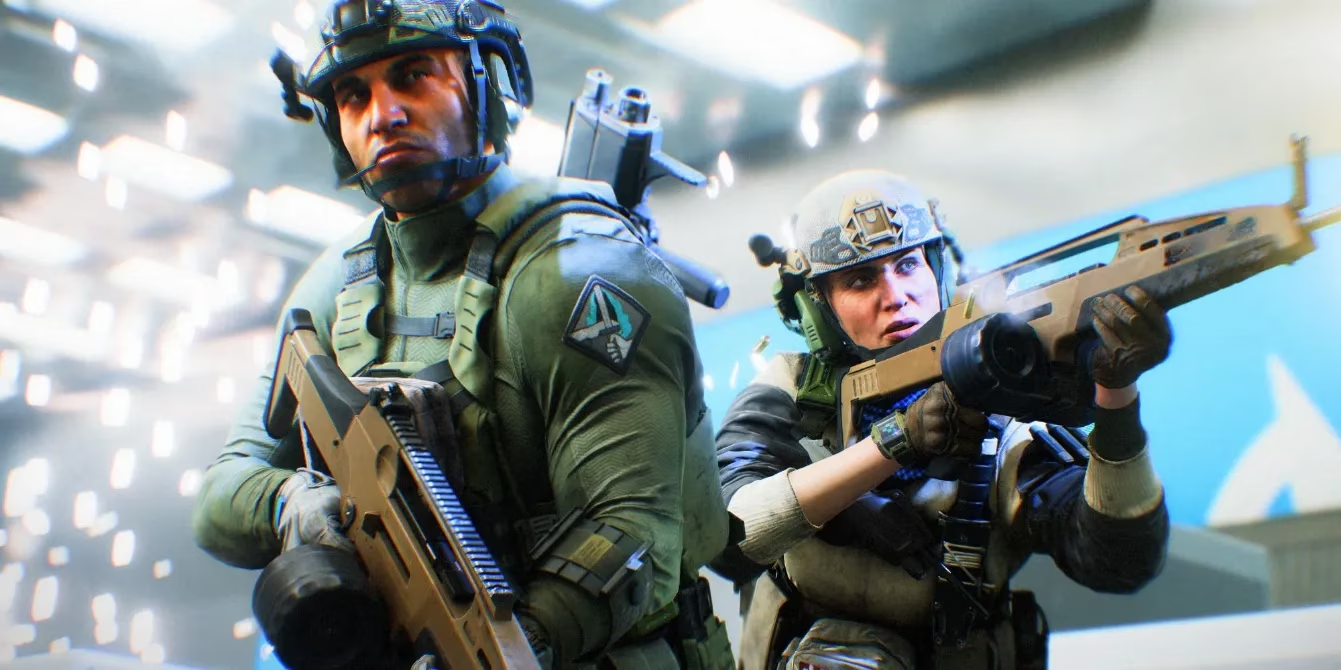
The fallout from 2042 appears to have been a catalyst for change. According to sources like Insider-Gaming, the development cycle for Battlefield 6 is being fundamentally reoriented around a "player first" approach. This isn't just a marketing slogan; it's being operationalized through intensive, ongoing playtest sessions designed to gather more data than ever before. This proactive strategy of integrating community feedback during the development stage, rather than solely in post-launch patches, suggests the studios have internalized hard lessons. The hope is that by listening early and often, Battlefield 6 will launch as a title that truly reflects what the core audience desires from a modern military shooter.
This shift is a welcome one, as the trend of releasing AAA games in a broken or incomplete state has become worryingly normalized. A growing segment of players now identify as "patient gamers," deliberately waiting weeks or months after launch to purchase a title, anticipating the inevitable flood of patches needed to fix critical issues. While some grace can be extended to smaller studios with limited budgets for QA testing, it is far less forgivable when industry giants with vast resources release products that feel unfinished. Glaring technical issues and even game-breaking bugs on launch day have, unfortunately, become a frequent disappointment for consumers.
The extensive testing reported for Battlefield 6 is a promising sign that EA and DICE are committed to breaking this cycle for their flagship franchise. The aim is to deliver a polished, feature-complete experience right out of the gate. While an official release window has not been confirmed, industry speculation has long pointed to a potential launch in the latter half of a given year. The scale and depth of the current playtests underscore the developers' priority: quality assurance and community alignment over rushing to meet a predetermined date.
Ultimately, the development of Battlefield 6 is unfolding as a direct response to past failures. The playtest strategy highlights several key priorities for the studios:
-
Preventing Another Fiasco: Actively using player data to identify and squash bugs, balance issues, and missing features before launch.
-
Rebuilding Trust: Demonstrating to a disillusioned fanbase that their feedback is valued and integrated into the core game design.
-
Setting a New Standard: Attempting to prove that large-scale, well-funded AAA titles can and should launch in a stable, enjoyable state.
The path to redemption for the Battlefield series is a challenging one. The memory of 2042's launch still lingers in the community. However, the reported scope of the Battlefield 6 playtesting initiative offers a glimmer of hope. It suggests a development process that is more transparent, more responsive, and fundamentally more respectful of the players who invest their time and money into the franchise. The success of this approach won't be known until the game is in the hands of millions, but the intent to learn from history and deliver a superior launch experience is now unmistakably clear.
Data referenced from PEGI helps frame how major shooters like the next Battlefield will be evaluated not only on technical polish but also on how clearly their content and online features are communicated to players and parents at launch. With Battlefield 6 reportedly leaning hard into large-scale playtests after 2042’s troubled debut, aligning early on stability, user-facing disclosures, and expected online interactions can be just as crucial to rebuilding trust as bug fixes and balance tuning.
0 Comments