My Journey Back to Battlefield 2042 in 2026: Fixes, Memories, and New Hope
Battlefield 2042 map fixes and gameplay improvements transformed its launch woes into a vibrant, engaging multiplayer experience.
I booted up Battlefield 2042 last night for the first time in what felt like an epoch. The loading screen’s clean, modern lines greeted me like an old friend who’d been through a grueling transformation montage, and as I dropped into Kaleidoscope, I half-expected the same barren wasteland of 2021. Instead, I found a battlefield reshaped—not just by patches, but by an almost geological patience that turned a rocky launch into something that now hums with real life. The journey here was a long trudge through mud, but standing in the middle of a firefight with actual cover and a clear objective path, I felt a quiet victory.
The beginning was famously awful. When Battlefield 2042 released in November 2021, anticipation had been a pressure cooker ready to burst. The promise of a near-future setting after two World War entries had veterans like me salivating. But the reality hit like a cargo plane full of disappointment. Maps were visually impressive yet functionally hollow—gargantuan stretches of nothingness that turned a 128-player match into a walking simulator. I remember spawning on Hourglass and feeling as if I’d been dropped into a half-finished symphony, the notes present but the silence between them swallowing any momentum. One rare metaphor came to me then: the experience was like trying to navigate a city built by a giant who forgot to include doors; you could see the objective glittering in the distance, but reaching it required a pilgrimage across sandy dunes with only your own breath for company.
Back then, DICE’s first substantial blog post in early 2022 felt like a life raft. The developers admitted the maps were plagued by emptiness, unbalanced flow, and a lack of meaningful cover—exactly the things that made gunfights feel like coin flips. They promised map overhauls and smaller, more focused DLC maps built from player feedback. Reading that promise was like watching someone finally turn down the static on a radio; hope crackled back in. But we’d been burned before. An EA executive had blamed the poor launch on Halo Infinite’s surprise multiplayer drop, a deflection so absurd it made our community feel like we were shouting into a room of mirrors—our voices just bounced back at us, distorted and ignored.
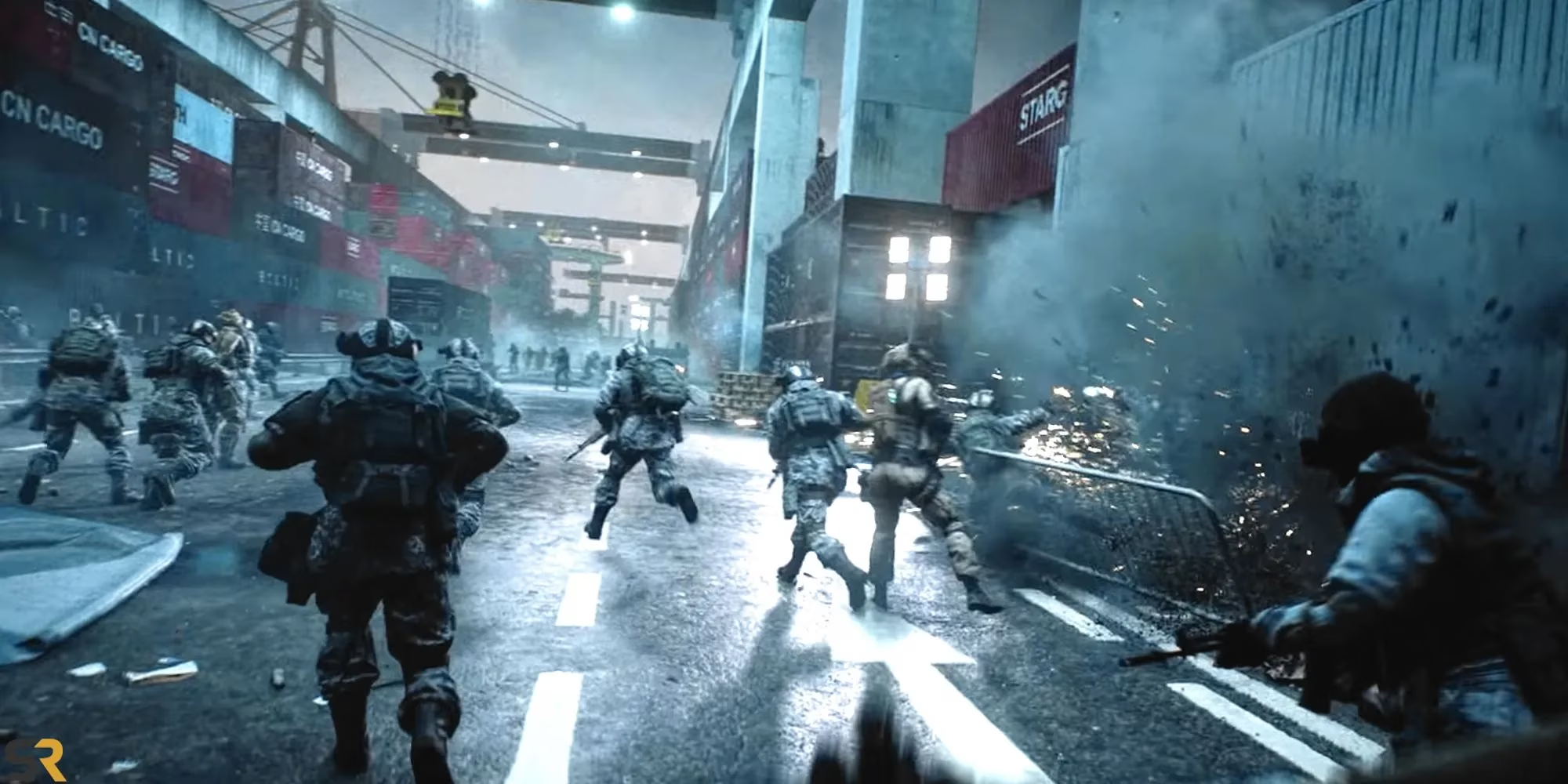
What followed was an exercise in patience reminiscent of waiting for a glacier to sneeze. Season 1 was delayed, and the highly publicized map fixes—moving a few spawns and shifting some capture points—told us the real surgery would take months. Fast-forward to 2026, and those months have stacked into a small tower of time. The game’s seven launch maps have been reworked so thoroughly they feel born again. Kaleidoscope’s once-empty parklands now teem with container fortifications and twisted metal; Breakaway’s icy expanse is carved with canyons that funnel combat like a river through rapids. The phantom leg syndrome of walking for minutes without a firefight has been amputated.
More importantly, the DLC maps that trickled out over the past two years follow the developers’ later philosophy: smaller footprints, tighter chokepoints, and verticality that makes you feel like an urban predator rather than a lost antelope. Takedown, released in Season 3, became my squad’s sanctuary—a flooded research facility where every corridor tells a story and no flank lasts longer than thirty seconds. The 128-player chaos is still there, but now it’s directed chaos, the kind Battlefield always excelled at when it remembered to give soldiers more than a flat plain.
Not everything is perfect, and I’d be lying if I said I didn’t occasionally long for the lightning-in-a-bottle days of Battlefield 4’s post-revival glory. There are still bugs—vehicles that jitter like a rabbit having a nightmare, or texture pop-ins that momentarily turn soldiers into plastic mannequins. But the soul has returned. The refund petition that once blazed across social media—that desperate digital uproar captured in a now-iconic image—feels like a relic from a darker age. I see it shared in memes now as a testament to how far we’ve come.
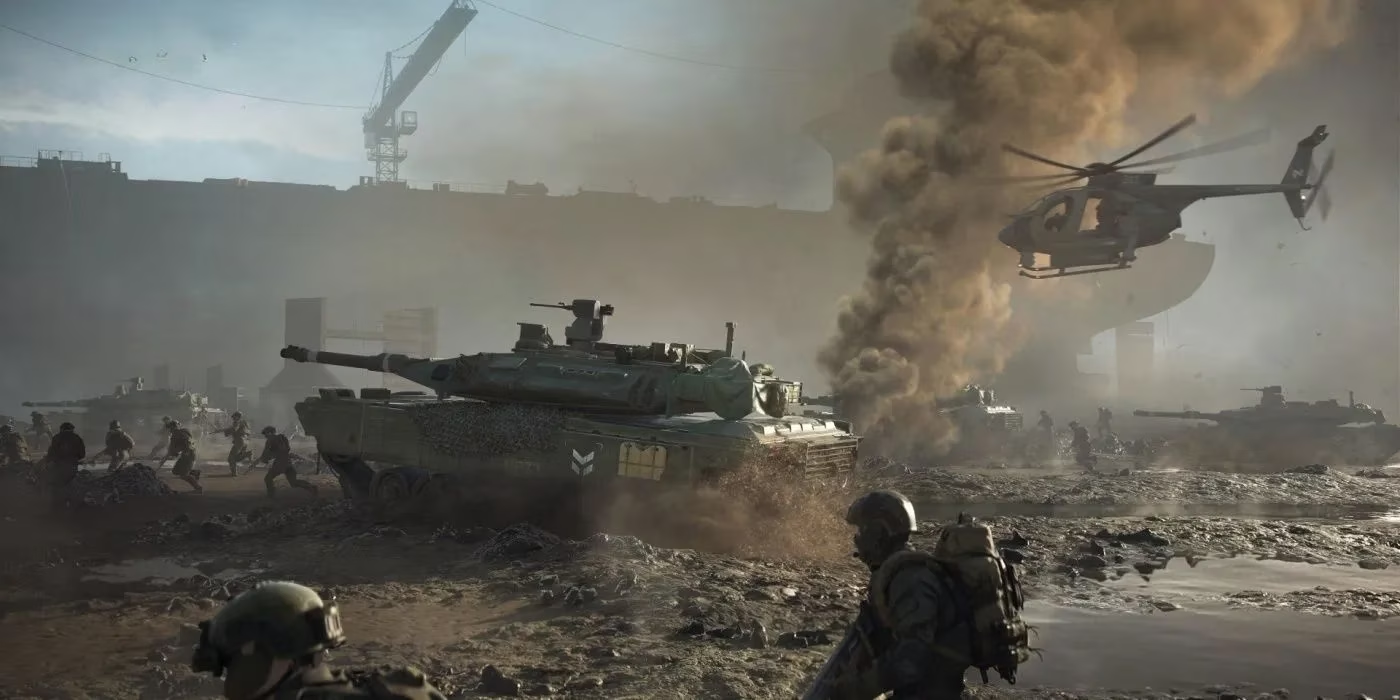
I still squad up with the same friends on Friday nights. We huddle in an APC, cracking jokes while rockets screech past, and I realize that Battlefield 2042 finally achieved what I’d hoped: it became a canvas for our stories, not just a stage for frustration. The road was paved with developer apologies, player outrage, and countless incremental updates, but like a damaged fresco slowly restored by patient hands, the picture has become whole. It may never reach the pedestal of Battlefield 4, but it no longer needs to. In 2026, it stands on its own two feet—scarred, improved, and ready for the next drop.
0 Comments