Why Battlefield 3 Still Towers Over Modern FPS Games in 2026
Battlefield 3’s sharp campaign and genuine Russian voice work still trump today’s shooters—a design blueprint DICE lost.
It’s 2026, and I just spent a weekend playing Battlefield 3 again. I wasn’t out of nostalgia-goggled desperation—I was genuinely chasing that raw, unpolished magic that modern shooters seem to have misplaced. DICE has fumbled hard this past half-decade. Battlefield 2042 launched in 2021 and cratered like a meteor with no atmosphere, and the franchise has been scrambling ever since. Yet here I am, crouched in a dust-choked corner of Caspian Border, listening to the metallic groan of a collapsing building, and thinking: this is the blueprint they forgot.
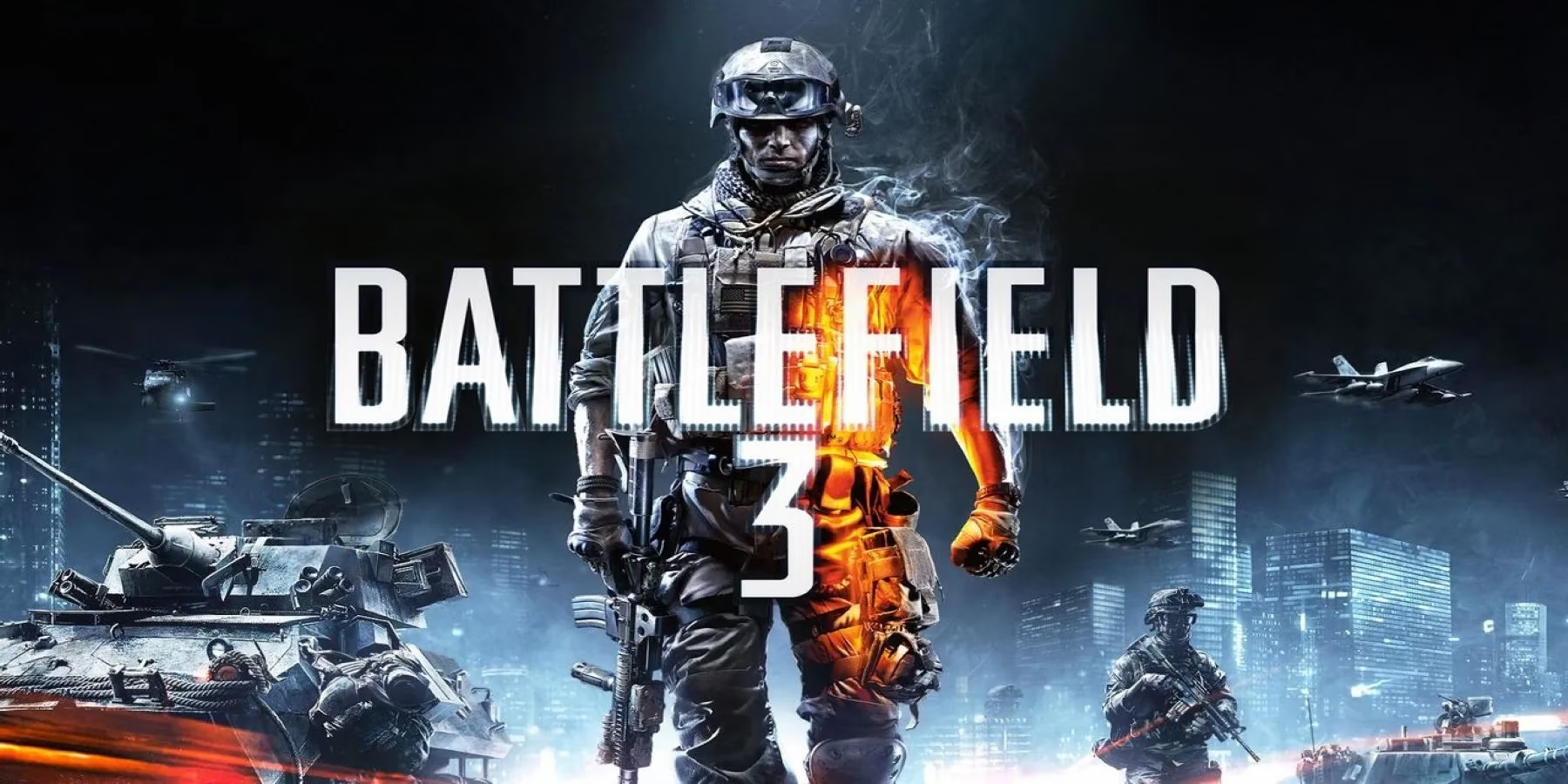
A decade and a half after its release, Battlefield 3 remains the high-water mark. It’s not just nostalgia; it’s a masterclass in design that modern titles treat like a dusty relic. Let me walk you through why this 2011 gem still makes its sequels look like they were built by committee.
The Campaign That Knew When to Shut Up
Battlefield 3’s campaign is often shrugged off as a five-hour afterthought. But that brevity was its superpower—like a perfectly brewed espresso, it didn’t need gallons of filler to hit you. The story unfolds in a scrambled, non-linear timeline, pulling you through the anxious buzz of an interrogation room into the boots of different soldiers. Dima, the gravel-voiced GRU operative, became such a cult figure that DICE resurrected him for Battlefield 4 (only to kill him off with the ceremony of a forgotten background extra).
What still sticks with me is the game’s realistic dread. In the “Kaffarov” mission, a Marine suddenly realizes they’re fighting Russian paratroopers, and his voice cracks: “Are we... are we starting World War III?” It’s a moment of sober vulnerability you rarely see in the genre’s testosterone-drenched corridors. DICE understood that a short, tight story can punch way above its weight—like a boxer with a lightning right hook. Compare that to Battlefield 2042, which shed its single-player skin entirely and then floundered without a narrative anchor. No campaign, no soul.
Russian Voice Acting That Actually Sounded Russian
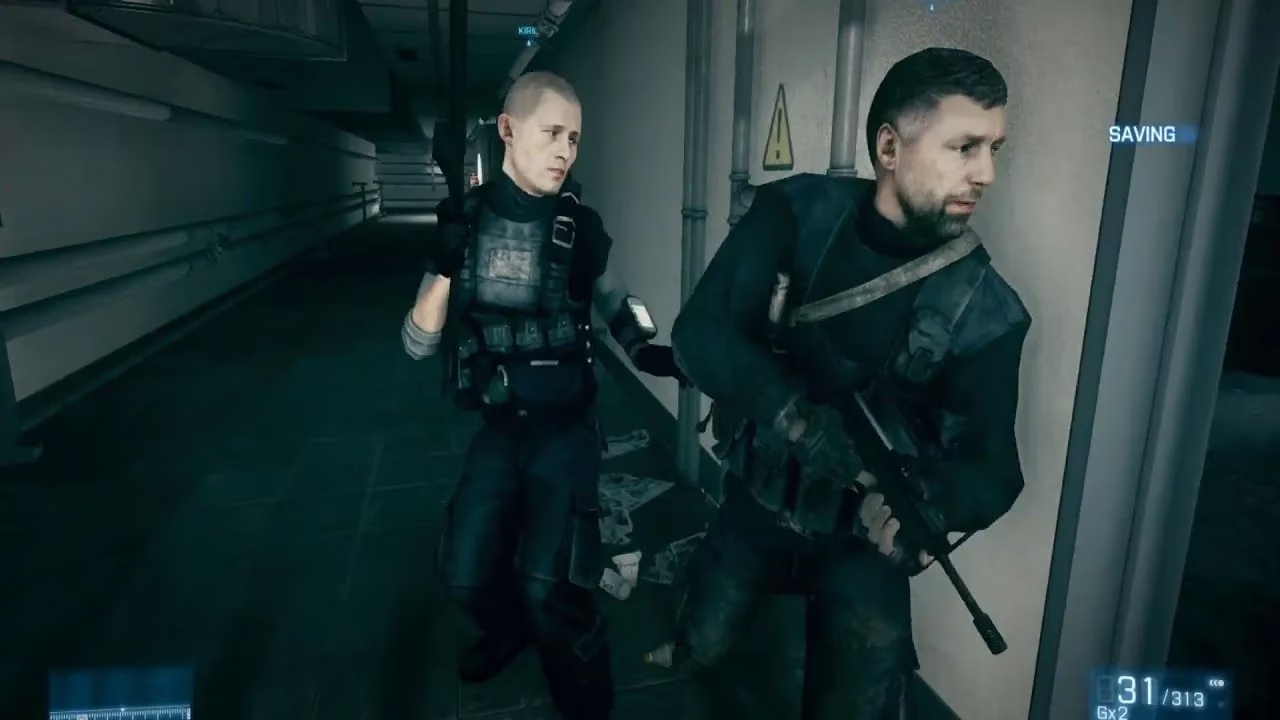
Sound design in shooters usually boils down to gunfire and explosions. But voice acting can turn a meat-grinder multiplayer match into something memorable. Battlefield 3 went far beyond the mandatory soldier-bark: for the Russian GRU squad, DICE hired fluent Russian speakers. No cheesy accents, no “Vodka! Suka!” stereotypes. Dima, Vladimir, and Kiril spoke in native cadence, and the subtitled dialogue gave the campaign an authenticity that felt like eavesdropping on a classified transmission. It was a quiet flex—like a chef who sources their spices from the region they’re cooking from—and it’s a detail that even Battlefield 1 echoed beautifully.
This made Battlefield 2042’s goofy, out-of-place quips feel like a betrayal. Hearing cringe-worthy catchphrases instead of grounded combat chatter was like swapping a fine whiskey for a lukewarm energy drink. Authenticity matters, and BF3 bottled it.
The Sandbox That Embraced Combined Arms Chaos
Many modern shooters treat vehicles as occasional set-pieces or overpowered toys. Battlefield 3 wove infantry, tanks, jets, and helicopters into a single, chaotic tapestry. You’d sprint through a firefight, jump into a waiting LAV, blast through a wall, and then climb into a jet screaming overhead—all in the same match without any load-screen hiccups. This combined-arms dance wasn’t just a feature; it was the game’s circulatory system.
DICE understood a fundamental truth: an FPS doesn’t need robo-dogs or wall-running gimmicks to stay exciting. Sticking to contemporary military doctrine but executing it flawlessly is like driving a perfectly tuned rally car instead of a garish concept vehicle. Even in 2026, the flow of Battlefield 3’s vehicular combat feels more organic than many newer titles.
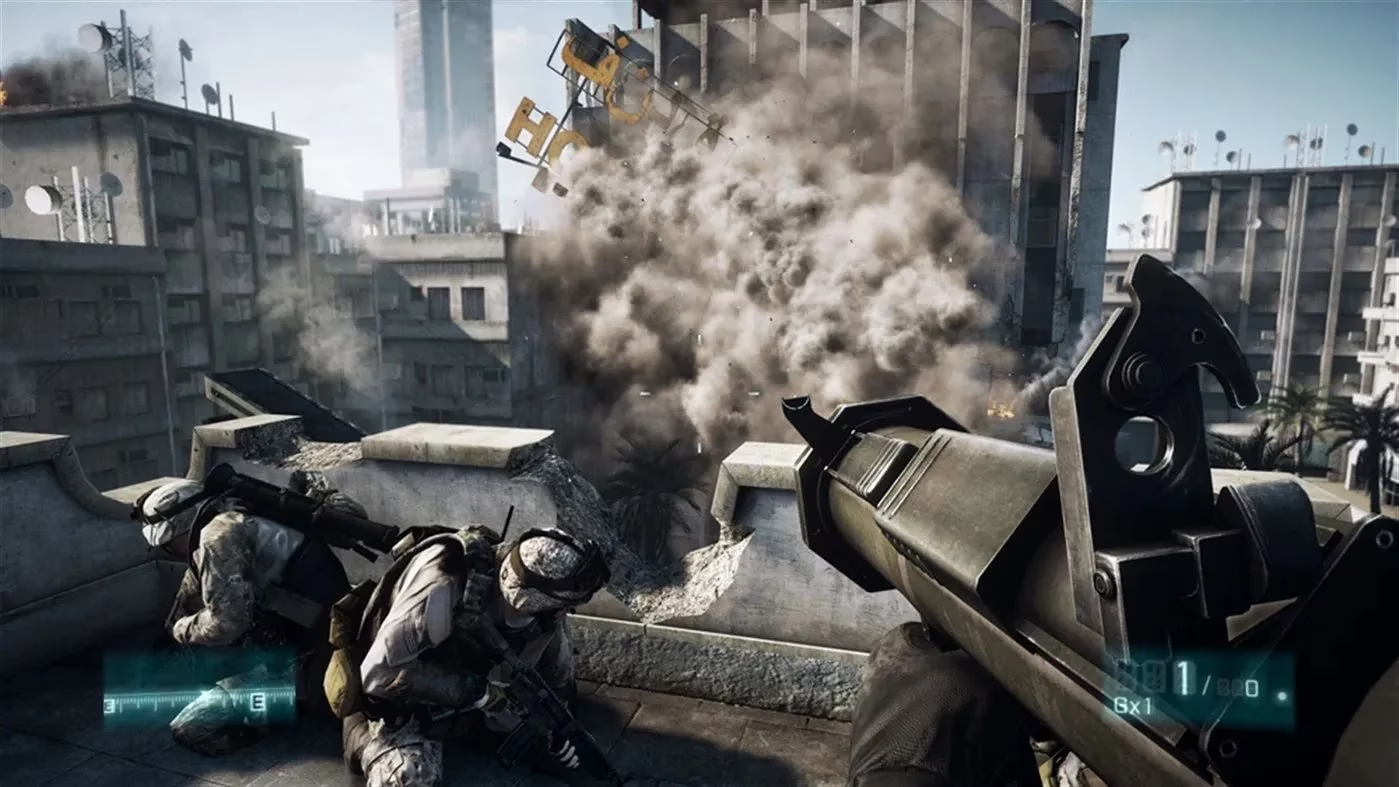
And then there’s the destruction. I cannot overstate how game-changing this was. Walls splintered, facades collapsed, and that corrugated metal shed you thought was cover became your tomb. No camping spot was sacred. In Battlefield 2042, by contrast, many maps felt like they were made of vibranium—the destruction was a pale shadow. Take Exposure: it’s set around a massive landslide yet offers almost none of the chaotic debris-altering gameplay that made BF3’s Seine Crossing or Operation Metro so dangerous. Losing that environmental chess match was like removing the spices from a dish and calling it “streamlined.”
Maps That Weren’t Just Paintball Arenas
Caspian Border. Damavand Peak. Operation Firestorm. These names conjure more adrenaline than most full games. BF3’s maps were colossal yet intimate, offering sniper perches on a rocky ridge and tight infantry brawls inside a warehouse simultaneously. They breathed. Lead designer David Goldfarb famously called out Battlefield 2042’s maps for lacking infantry accommodations, and he was right—endless open fields with no flow turn a firefight into a shooting gallery.
Irony of ironies: the most beloved feature of Battlefield 2042 in 2026 is still its Portal mode, where players flock to remastered versions of old maps. Nostalgia is a drug, but it’s really a cry for quality. When the best part of your new game is letting people play a 15-year-old map, you know you’ve lost the thread.
A Roadmap Back to Glory
I’m not writing an obituary. DICE can absolutely reclaim its throne. The blueprint isn’t lost—it’s right there in Battlefield 3’s DNA. No amount of hero-shooter cosmetics or live-service grind can replace tight gunplay, smart destruction, and a campaign that respects the player’s time. Like a musician who returns to acoustic roots after a failed synth-pop album, DICE needs to strip away the noise. Shorter story? Yes, but meaningful. Large maps? Absolutely, but shaped by infantry-friendly design. And for the love of all things explosive, bring back the destruction that made every match feel like a personal disaster movie.
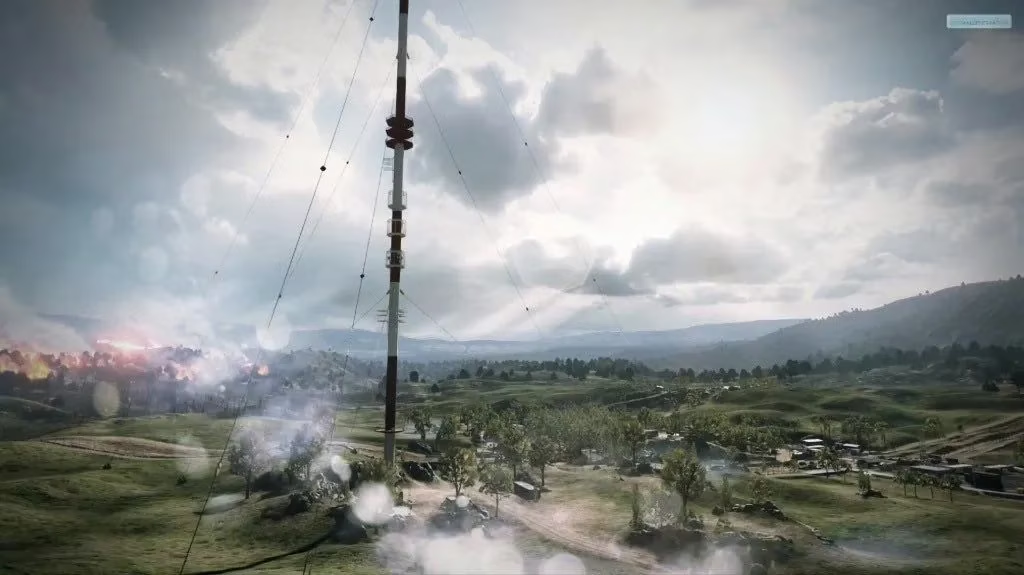
Fifteen years haven’t dulled Battlefield 3; they’ve revealed how far the franchise wandered into a fog. Maybe in 2027, we’ll see a Battlefield that finally looks back to move forward. Until then, I’ll be on Caspian Border, waiting for that radio tower to topple.
0 Comments